Fourteen Generations, Four Countries, One Family Heritage – 1565 to Today
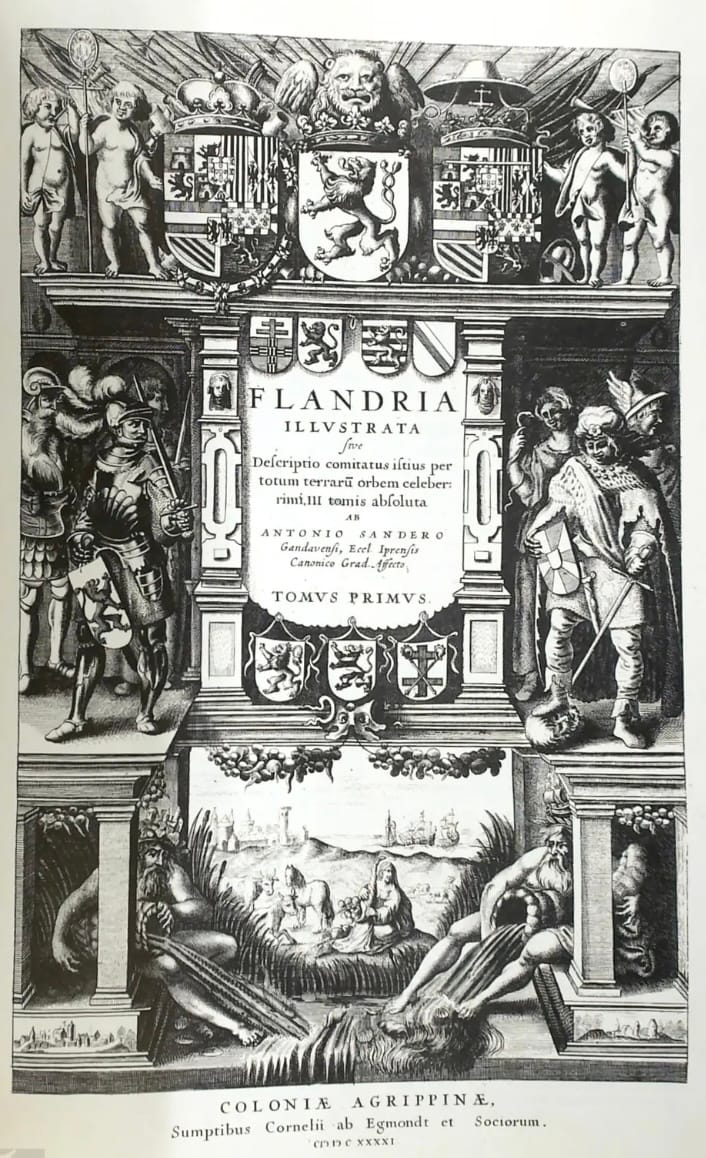
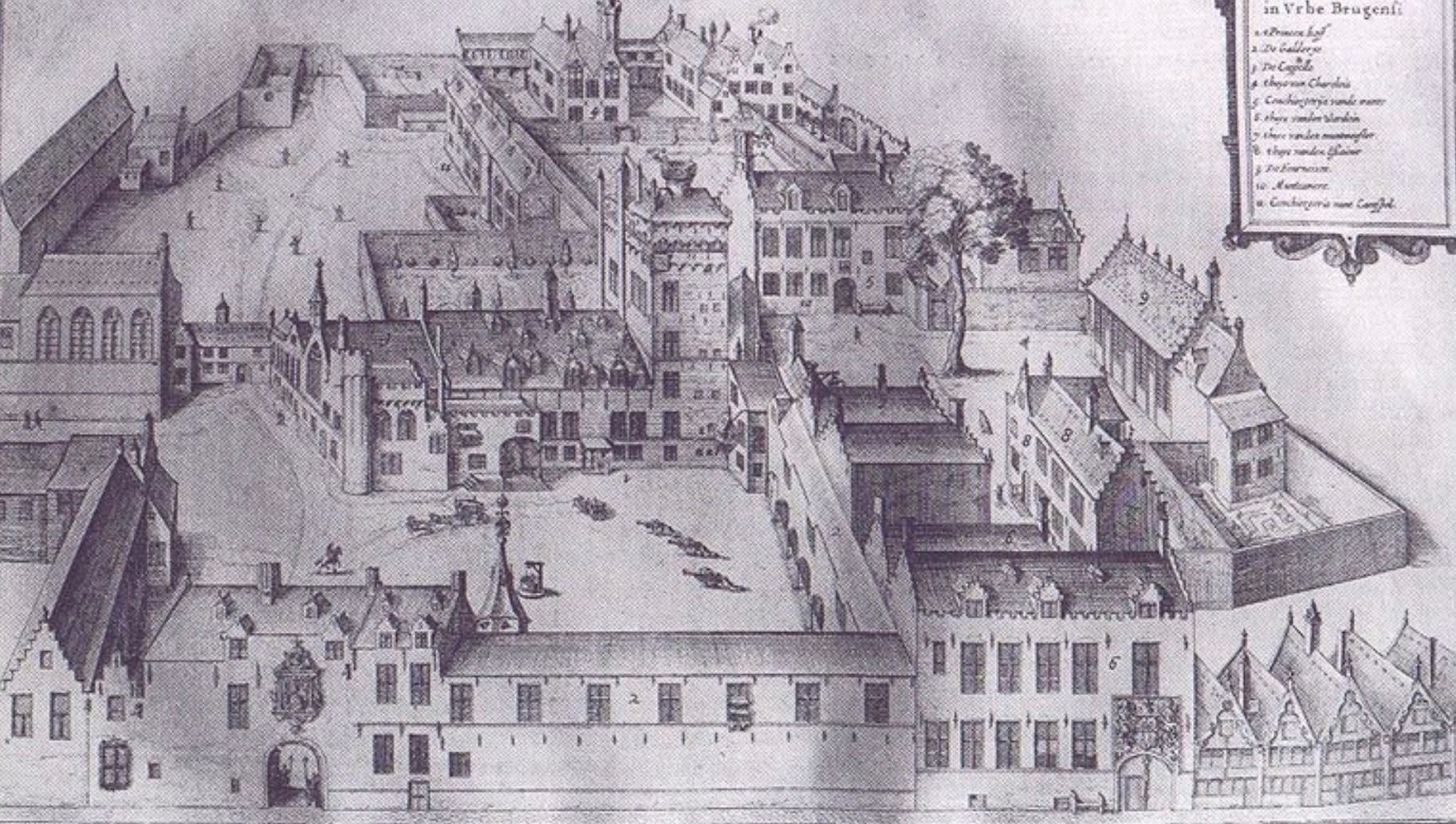
The earliest individual traceable in this line is Jan Zwaenepoel, accepted in 1565 as a tenant of the Brugse Vrije, the historic administrative district known as the “Bruges Free Land” at Leke, near Diksmuide in West Flanders.
The surname itself is Flemish, built from swane (swan) and poel (pool or pond), and identifies a family from a place called Zwaenepoel, near the village of Vladslo: “swan pond,” in effect, as both a family name and a location.
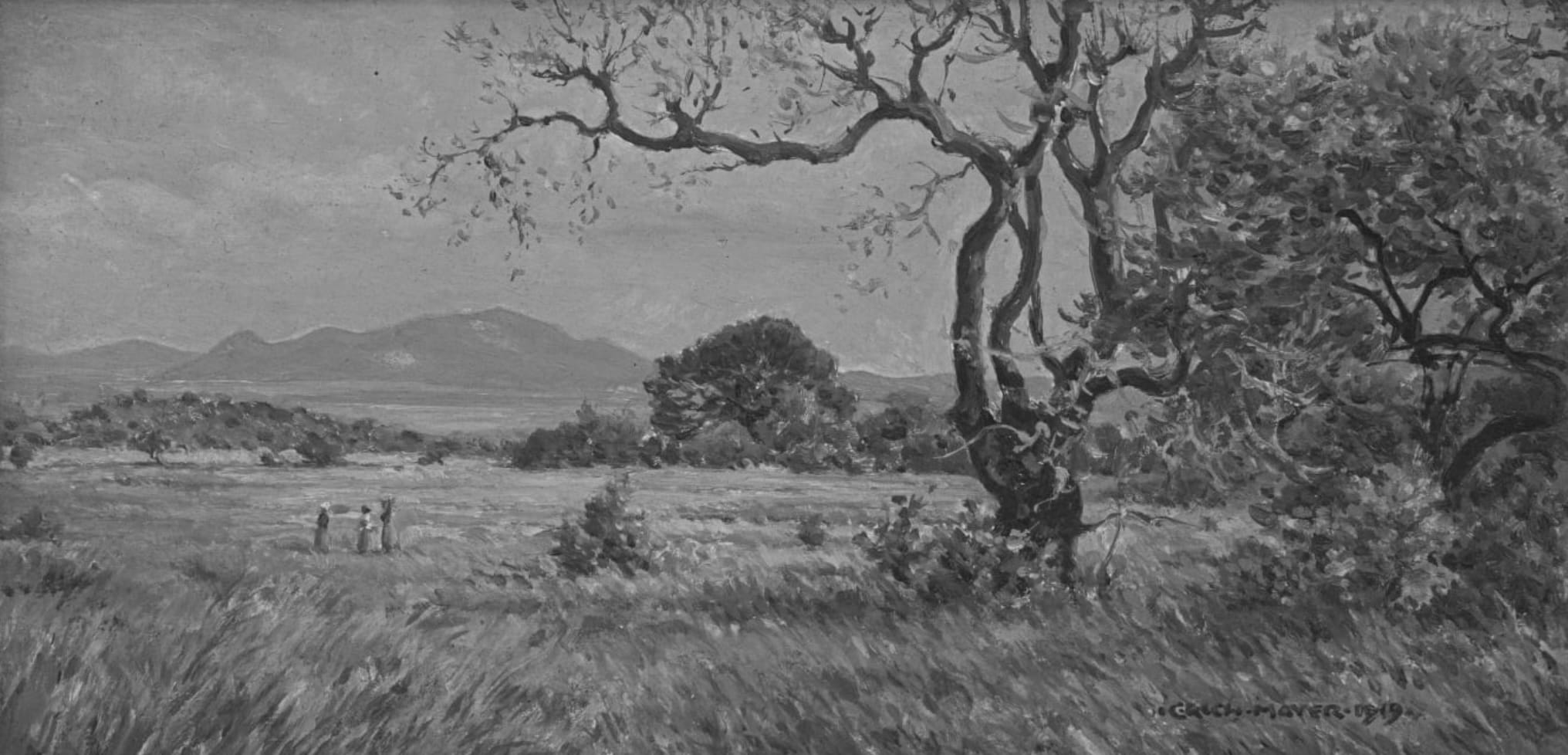
For the next several decades the Zwaenepoel name appears repeatedly around Hooglede, Zuienkerke, Leke, Staden and Diksmuide, an area barely twenty kilometers across, mostly among millers and small tenant farmers. This line’s second generation, Pieter Zwaenepoel, worked as miller and tenant of the Dullemolen (Oostmolen) at Zuienkerke from at least 1644 until his death around 1652, and was plausibly the Pieter baptised at Hooglede in December 1606. The family’s mills, at Hooglede, at Leke, and at Zoutenaaie in Veurne-Ambacht, anchor three generations of the name to that same small stretch of Flemish countryside, through the upheaval of the Eighty Years’ War and the political and religious split that divided the Low Countries after 1579.
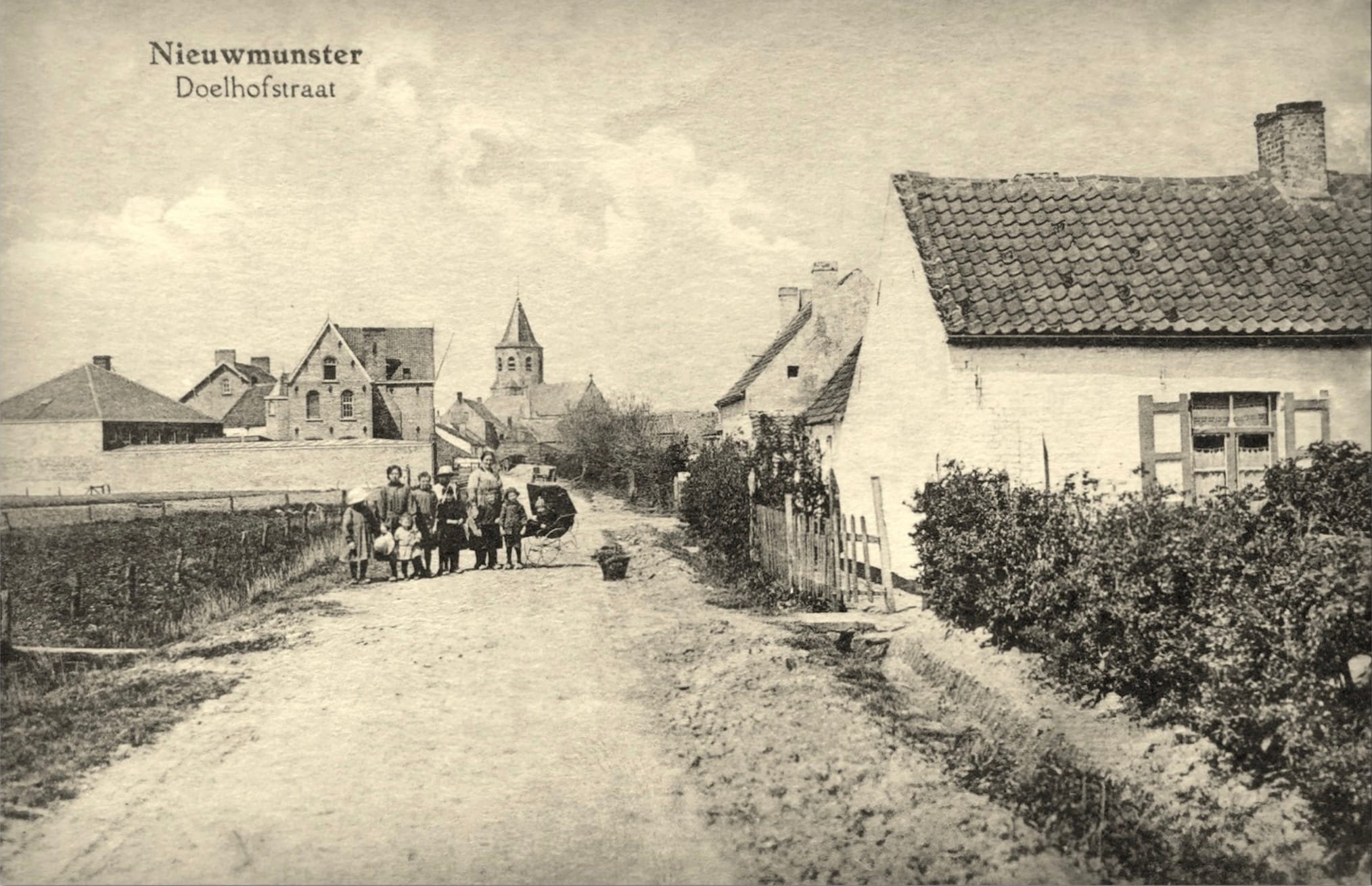
Jan Swaenepoel, a miller, married Maria Herebout at Gistel on 3 May 1667. Their children were baptised across three parishes as the family moved from place to place: Helena at Bruges in 1668, twins Jan and Rosa at Klemskerke in 1670, before the family settled at Nieuwmunster by 1672, the year a local court recorded a dispute over unpaid rent with the previous tenant, Pauwels Manghelaere. Four more children followed at Nieuwmunster: Maria (1672), Guillielmus (1675), Judoca (1676), and, on 26 January 1678, Petrus, the son who would carry the family name across an ocean.
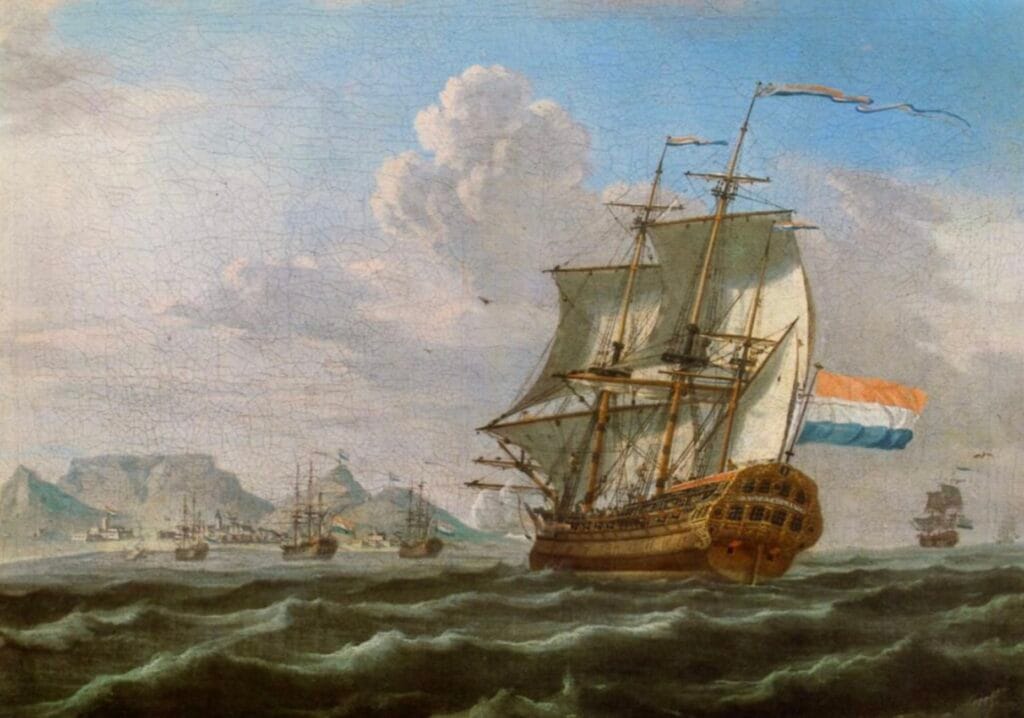
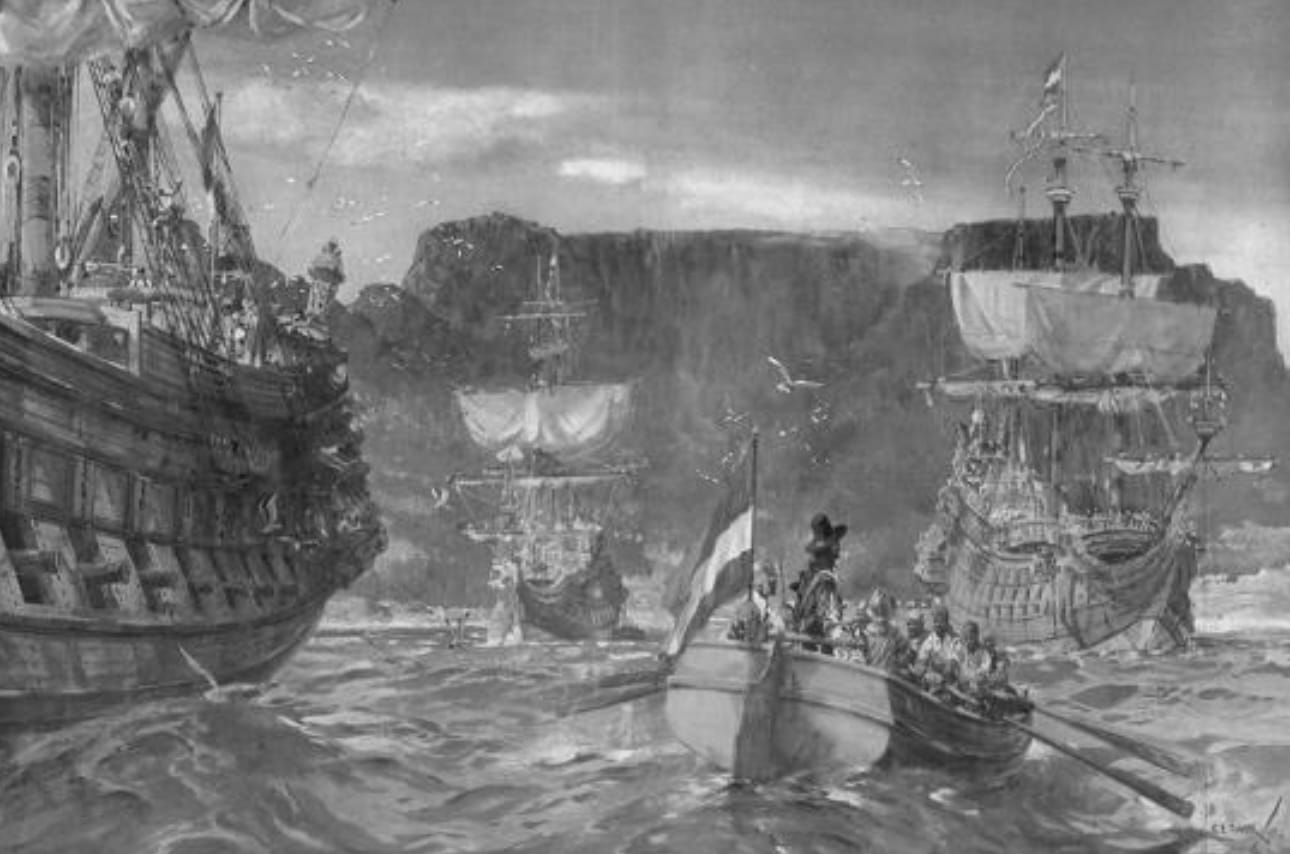
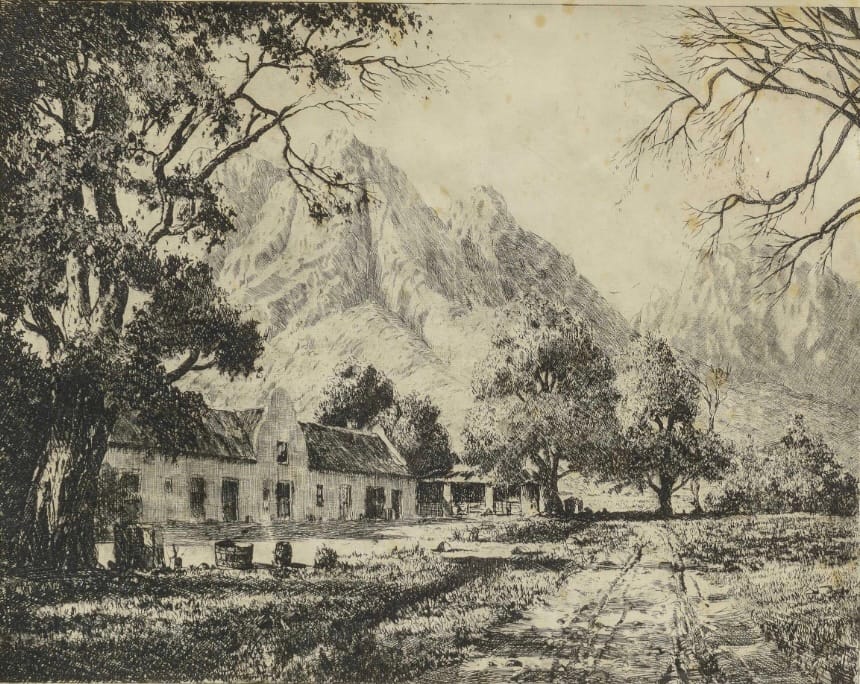
Petrus (Pieter) Jansz Swaenepoel arrived at the Cape of Good Hope around 1699, most likely as a soldier of the Dutch East India Company, and by the early 1700s had established himself as a free burgher farmer in the Stellenbosch-Drakenstein district. He named his new farm Nieuw Munster, after the Flemish parish of his birth, a small act of memory that fixes, on the South African land record, the exact point where this family’s European chapter ends and its African one begins.
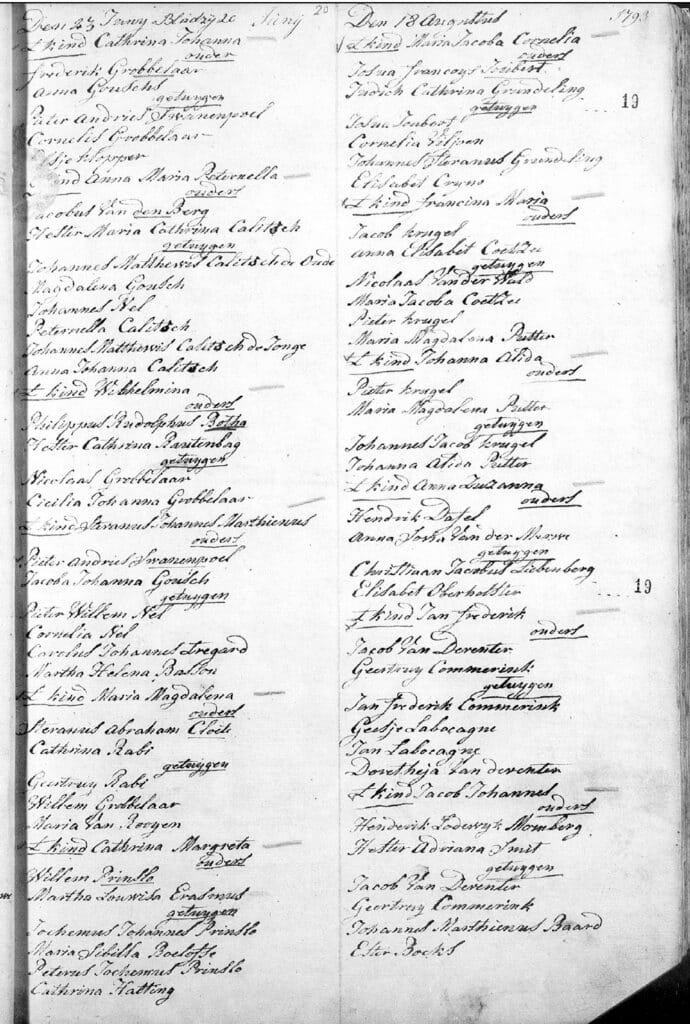
He is recorded as a free resident in 1702 or 1704, still unmarried, and married Maria Sibilla Sachs, a German immigrant from Egeln, near Magdeburg, on 1 May 1712 at Stellenbosch. They had at least eight children between 1713 and 1743. By the late 1720s the farm carried some six thousand vines, five hundred sheep and one hundred and twenty cattle. Petrus sold the farm in 1747 and died around 1757, at roughly seventy-nine. He is the documented common ancestor of the South African Swanepoel line, and specifically of the SJM Swanepoel line that follows.
Hendrik Swanepoel, Petrus’s seventh child, was born 16 December 1731 and died 31 May 1770. His son Pieter Swanepoel, born 24 March 1758, died 6 February 1820, two comparatively brief, thinly documented generations that carried the family from the established Cape farms of Stellenbosch toward the open frontier further north and east, where the SJM name would take shape.
The Stephanus Johannes Marthinus Swanepoel line, the direct subject of this account, begins with SJM I, born in Graaff-Reinet on 23 June 1793.
He married Hester Rossouw on 15 January 1815, and in 1820 their eldest son, SJM II, was born.
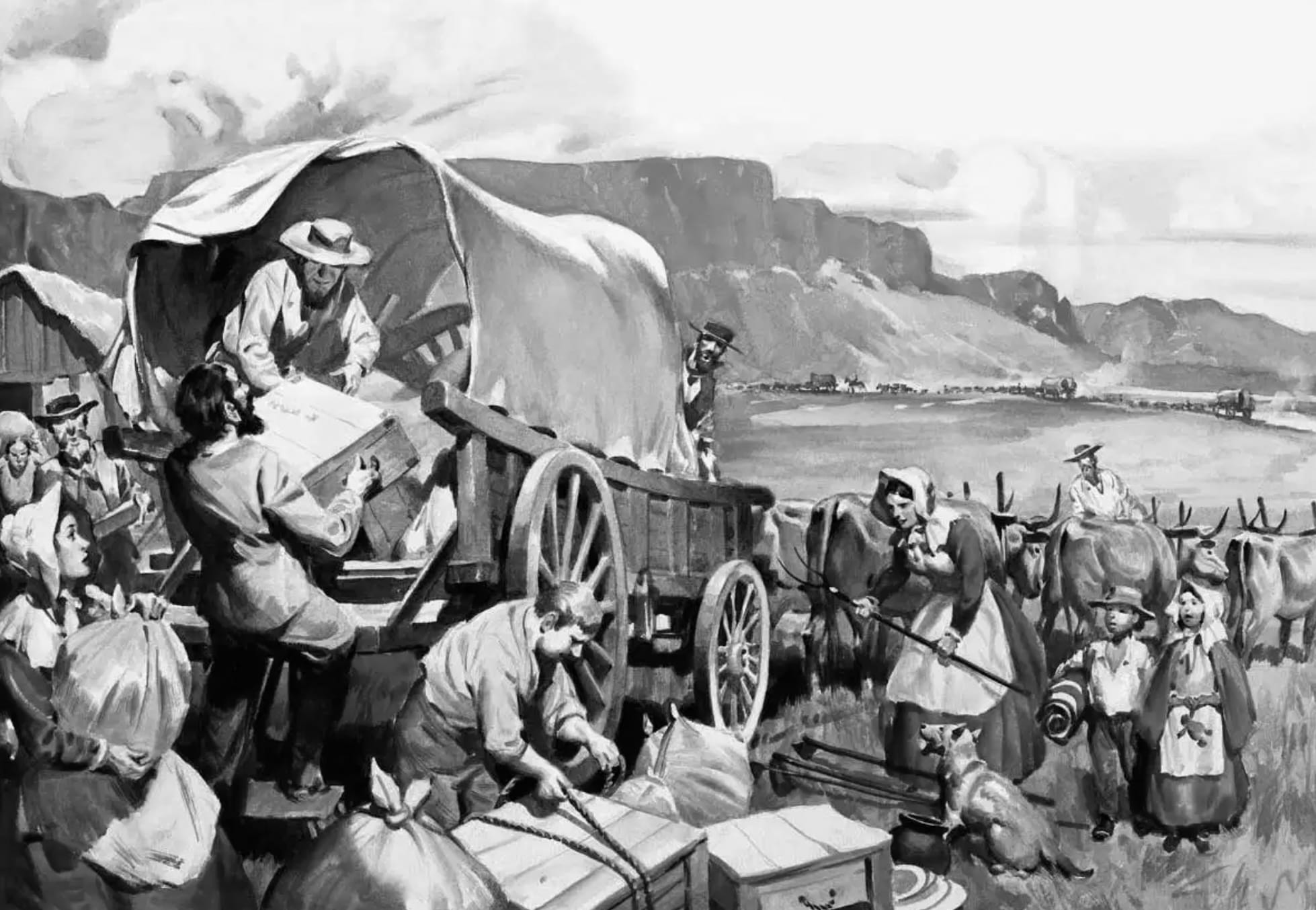
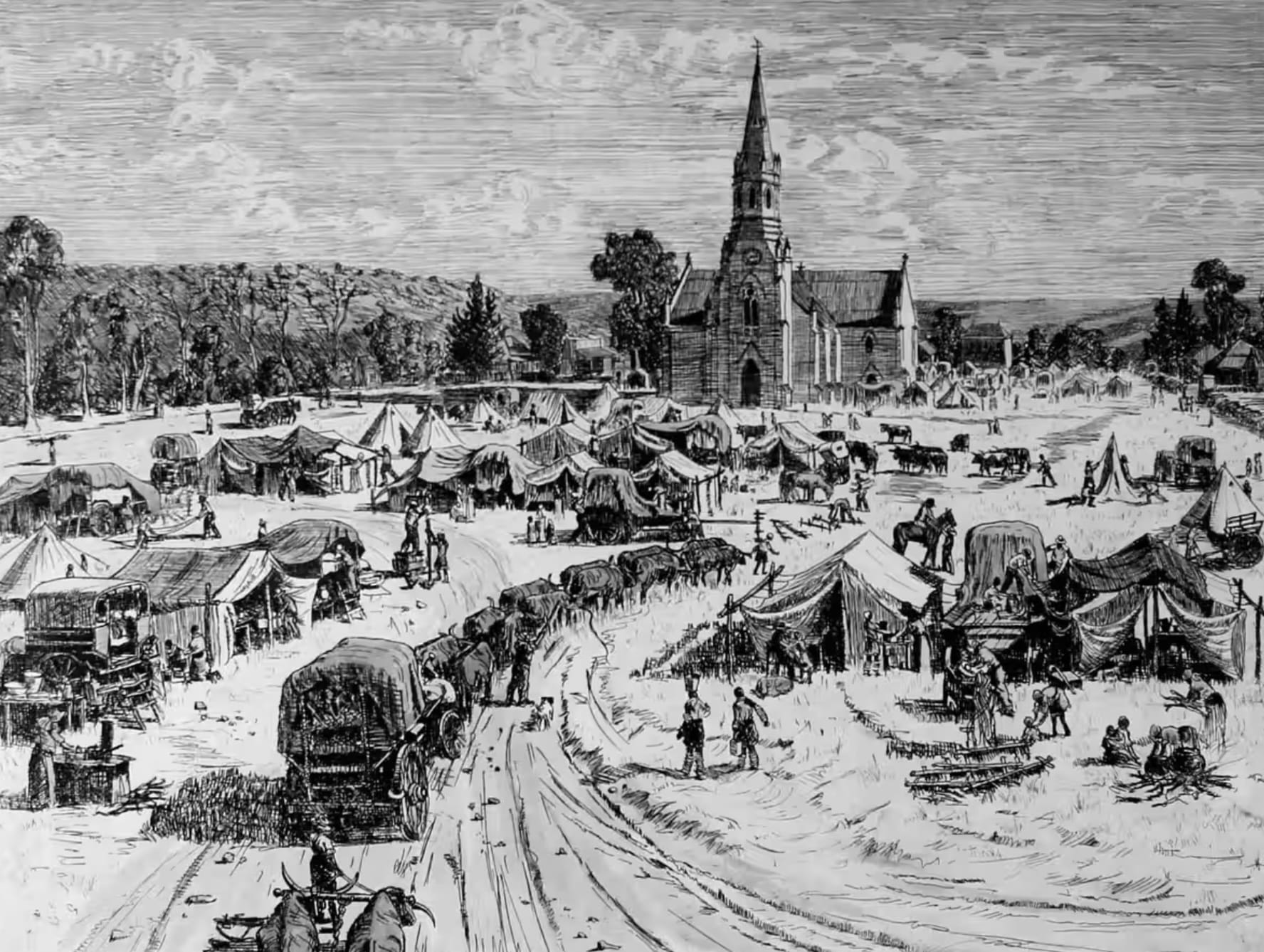
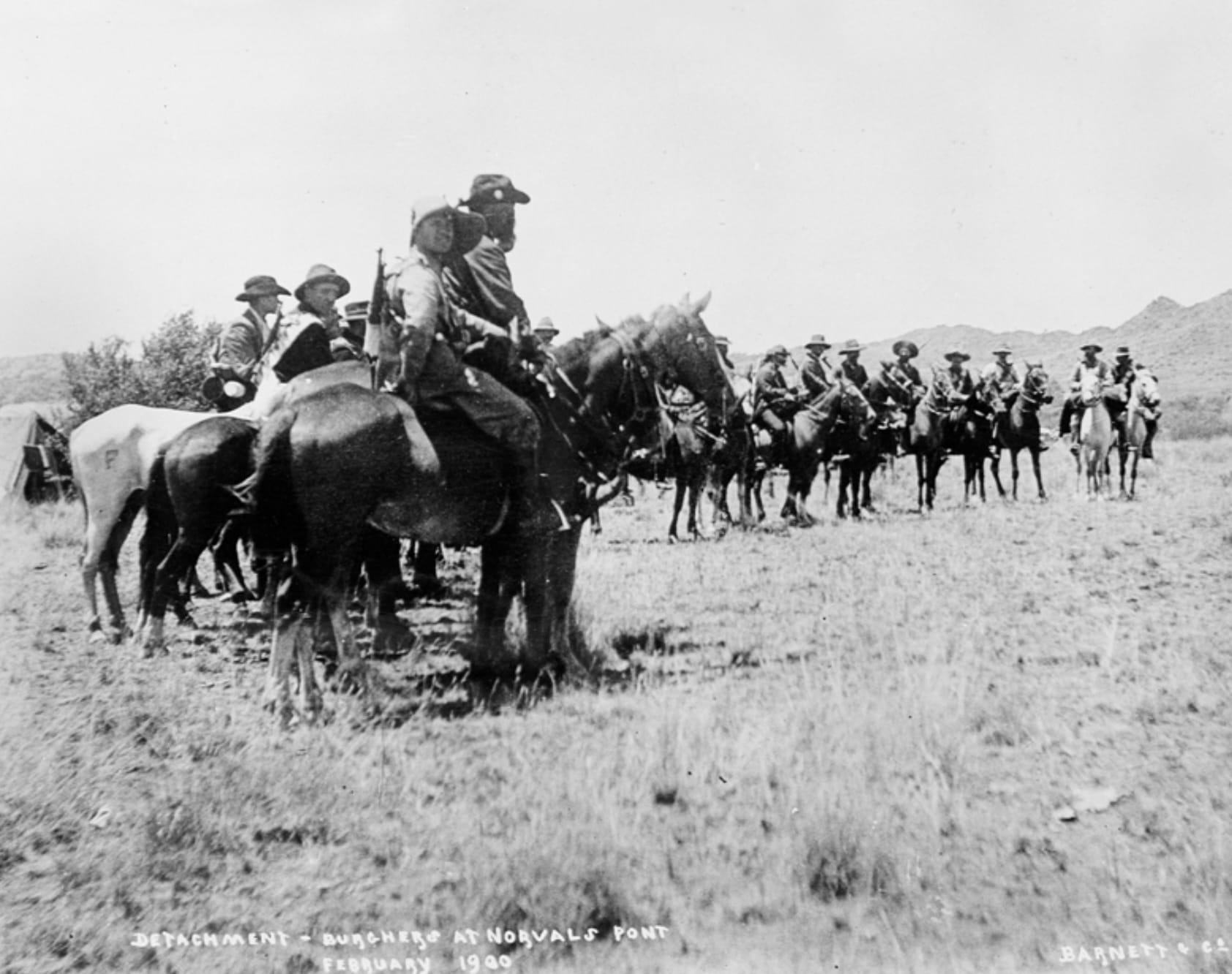
SJM I’s lifetime spans the trekboer expansion of the eighteenth and early nineteenth centuries and, later, the Great Trek itself. He was head of one of the original 2,300 white families that led the ‘trek’ (expedition) out of the Cape Colony between 1835 and 1840 in protest of British colonial policy.
The family settled at Warmbad, present-day Bela-Bela, on a farm called Tweefontein “Two Fountains” in the Waterberg district of what would become the Transvaal. SJM I died there on 11 April 1866. Many generations of the Swanepoel family lived on the farm for almost 150 years.
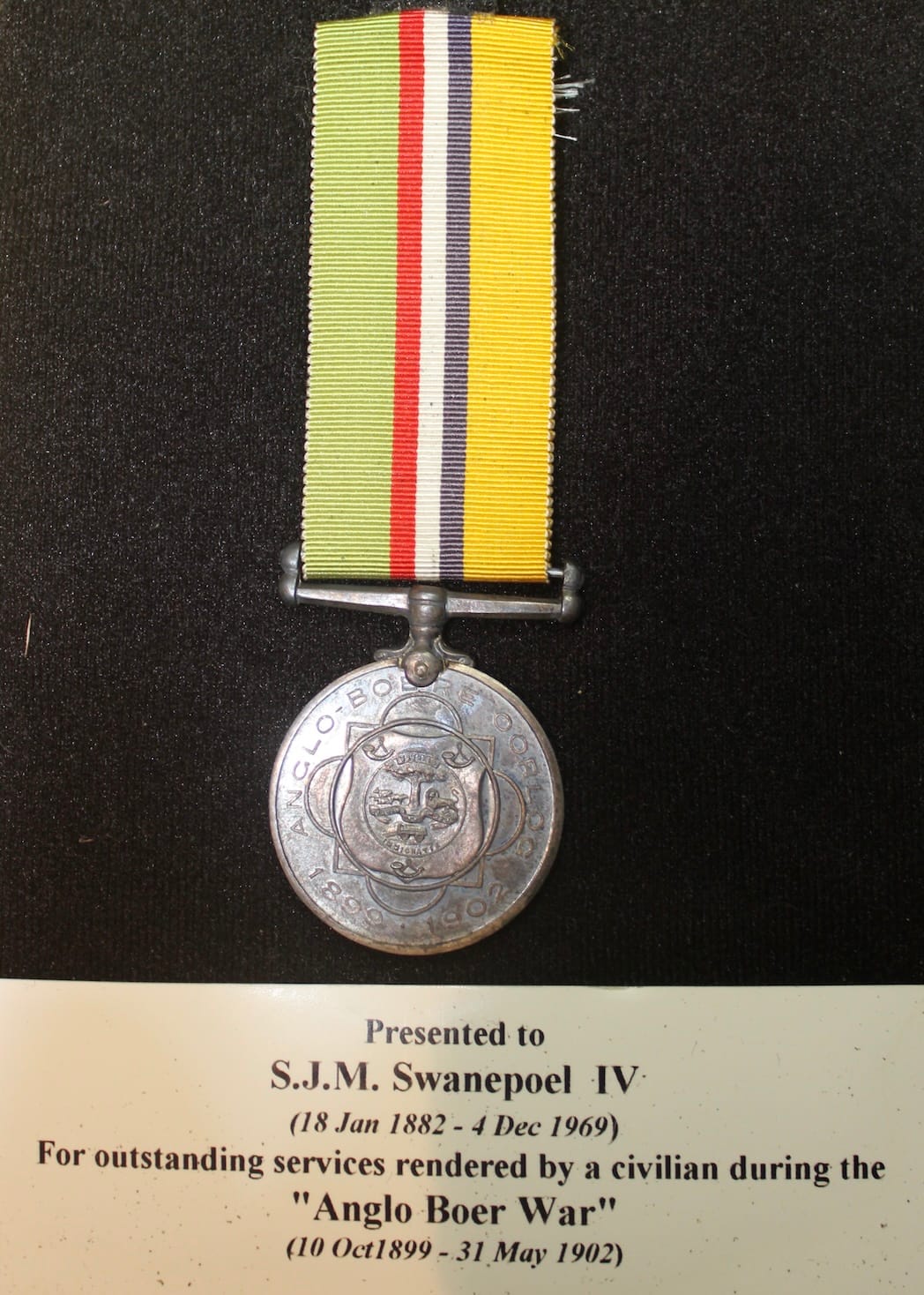
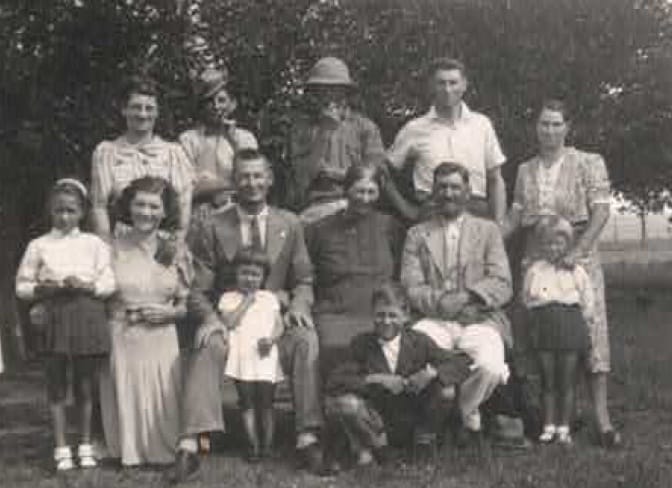
SJM II was born 25 August 1820 and died 31 May 1879. His son, SJM III, was born 16 September 1859 and died 8 January 1953, a life that spanned nearly the entire arc of Boer settlement in the old Transvaal, from before the discovery of the Witwatersrand goldfields to well into the Union of South Africa. SJM IV followed, born 18 January 1882, and died 12 August 1969.
1906–1963 · no son
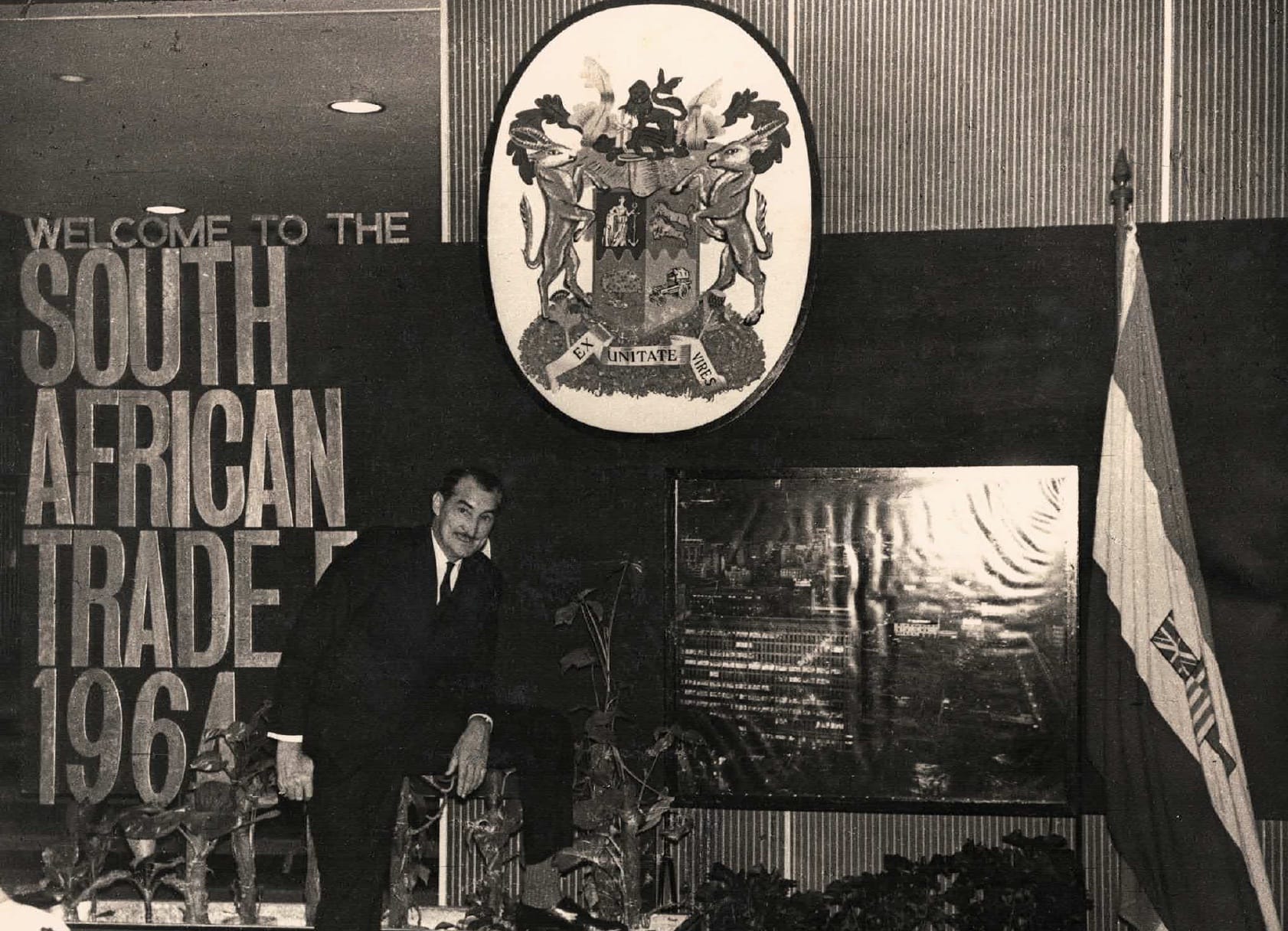
SJM V was born 13 February 1906 and died 8 December 1963. He died without a son of his own, another point at which the SJM name was at risk. Afrikaner customs at the time followed the same rule that once governed most European royal and noble houses: when a line fails to produce a son, the name passes to the next eligible male relation rather than through a daughter’s family. For the SJM Swanepoel name to hold, the next male born to a son of SJM IV would carry the generation forward. Zacharias Swanepoel, the 4th son of SJM IV, was born 30 July 1924. His son, born 5 January 1958, the first male grandson of SJM IV, would take up the name as Stephanus Johannes Marthinus Swanepoel VI.

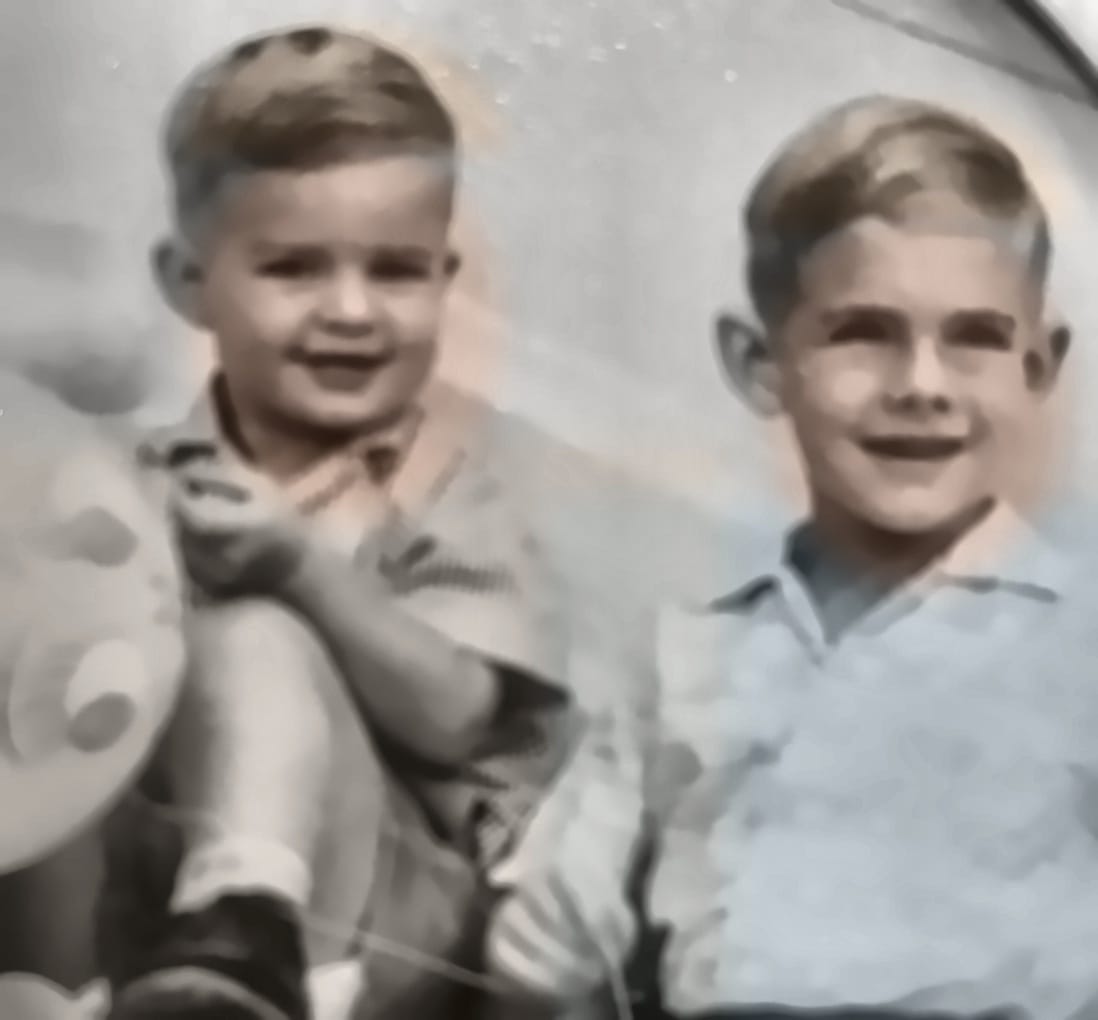
Stephanus Johannes Marthinus Swanepoel VI was born 5 January 1958 and raised, with his brother Louis, internationally as the sons of a diplomatic father, with time in Kenya, Hong Kong and South Africa.
Three decades later, SJM VI emigrated to the United States and became one of the most prolific authors and most widely cited authorities in American residential real estate, producing more than seventy books and reports that have shaped how the industry thinks about brokerage, technology and strategy.
SJM VII, was born 30 April 1986, and SJM VIII, on 2 December 2022, the fourteenth generation on record, and the first to be born in the United States, continuing a family name first recorded in a Flemish tenancy register four and a half centuries earlier. By the time of the 2000 US Census, 123 people carried the Swanepoel surname in the United States, with the highest concentration in Southern California.
Read end to end, the SJM Swanepoel line runs through three distinct migrations, each crossing not just distance but circumstance: from Flanders to the Cape of Good Hope around 1699; from the Cape to the Transvaal frontier in the Great Trek generation; and from South Africa to the United States with SJM VI in the twentieth century. Four generations belong to Western Europe, eight to the Cape and the Transvaal, and three, so far, to the United States. Fourteen generations, roughly four hundred and sixty years, three continents, one name — and, on the strength of the record above, one that a great many families cannot put a date to at all.