The Swanepoel / Zwaenepoel surname traces, with real documentary support, to 16th- and 17th-century West Flanders, Belgium.
The earliest specifically dated individual found in any source is a Jan Zwaenepoel, born in Hooglede, accepted as a tenant of the Brugse Vrije (“Bruges Free Land,” a historic administrative district) at Leke in 1565. A dense cluster of Zwaenepoel/Swaenepoel families is then continuously documented in and around Hooglede, Zuienkerke, Leke, Staden and Diksmuide throughout the 17th century, mostly as millers, tenant farmers and small landholders.
One line of this family, via Jan Swaenepoel (a miller) and Maria Herebout, married in Gistel in 1667, produced Petrus (Pieter) Jansz Swaenepoel, baptised in Nieuwmunster in 1678, who emigrated to the Dutch Cape Colony around 1699 and became the official documented ancestor of the South African Swanepoel line.
The name is a toponymic (place-descriptive) surname meaning roughly “swan pool” or “swan pond” from Middle Dutch/Flemish zwaan/swane (swan) and poel (pool, pond, or marsh) and the Oxford Dictionary of Family Names in Britain and Ireland specifically ties it to a place called Zwaenepoel near Vladslo, a village in the Diksmuide area of West Flanders.
Zwaenepoel / Swaenepoel is a Dutch–Flemish toponymic surname built from two elements: zwaen/swane (“swan”) and poel (“pool,” “pond,” or “marsh”). Such names were typically given to people who lived at or were associated with a specific wetland feature, in this case, apparently a place called Zwaenepoel near the village of Vladslo, part of the municipality of Diksmuide in West Flanders. This is corroborated by the concentration of the earliest known bearers of the name in exactly that part of West Flanders (Hooglede, Zuienkerke, Leke, Staden, Diksmuide are all within roughly 20 km of one another).
Source: Geneanet, origin and meaning of SWANEPOEL (citing the Oxford Dictionary of Family Names in Britain and Ireland / FANBI)
Accepted as a “laat” (tenant/vassal) of the Brugse Vrije at Leke, earliest specifically dated individual record found
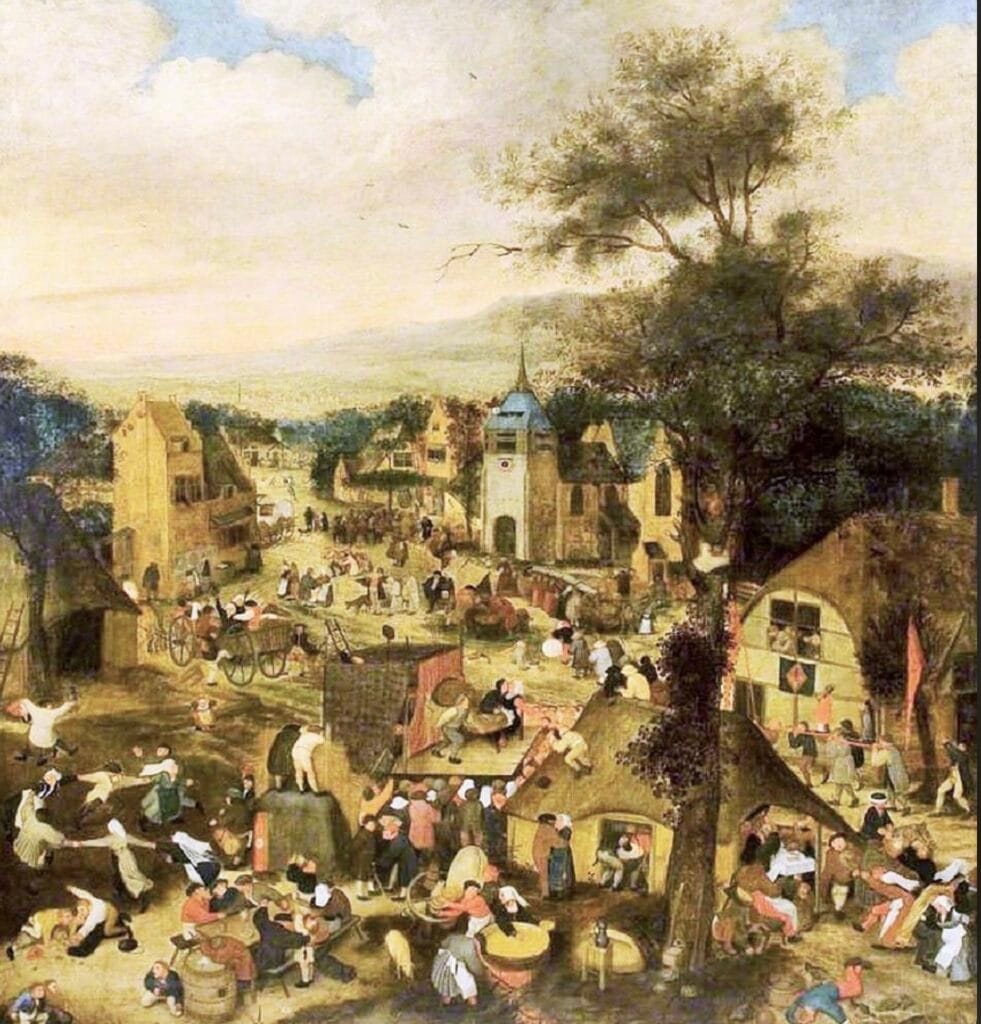
The oldest specifically dated reference found is from 1565: a Jan Zwaenepoel, born in Hooglede, was accepted as a “laat” a tenant or vassal, of the Brugse Vrije (the historic rural district around Bruges) at Leke, a village near Diksmuide. Researchers note it is unlikely this is the same Jan who appears in later 17th-century records, given the time gap, but his existence establishes the surname in this specific corner of West Flanders by the mid-1500s.
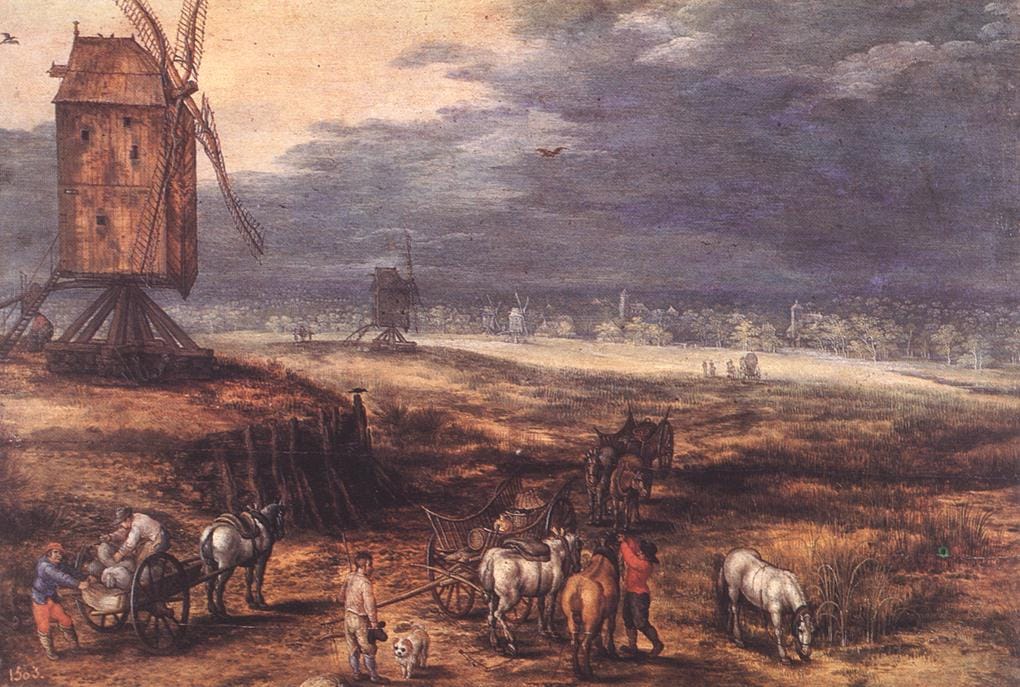
From 1605 onward (the point at which Hooglede’s baptismal registers survive), a dense web of Zwaenepoel/Swaenepoel families appears: a Jan Zwanepoel and his wife Pauwelyne Kersteloot had seven children baptised in Hooglede between 1606 and 1618, with a further child in 1624; a Fransoys Zwanepoel and his wife Isabelle (Elisabeth) Schalcke had five children baptised between 1608 and 1619; and a 1615–1616 census of Hooglede records both Jan Zwaenepoel and a Gillis Zwaenepoel (married to Anna De Wulf) working as millers. The family also held property in Hooglede and Leke, including shares in three mills: a windmill at Hooglede, the Lekemolen at Leke, and the Zoutenaaie mill in Veurne-ambacht.
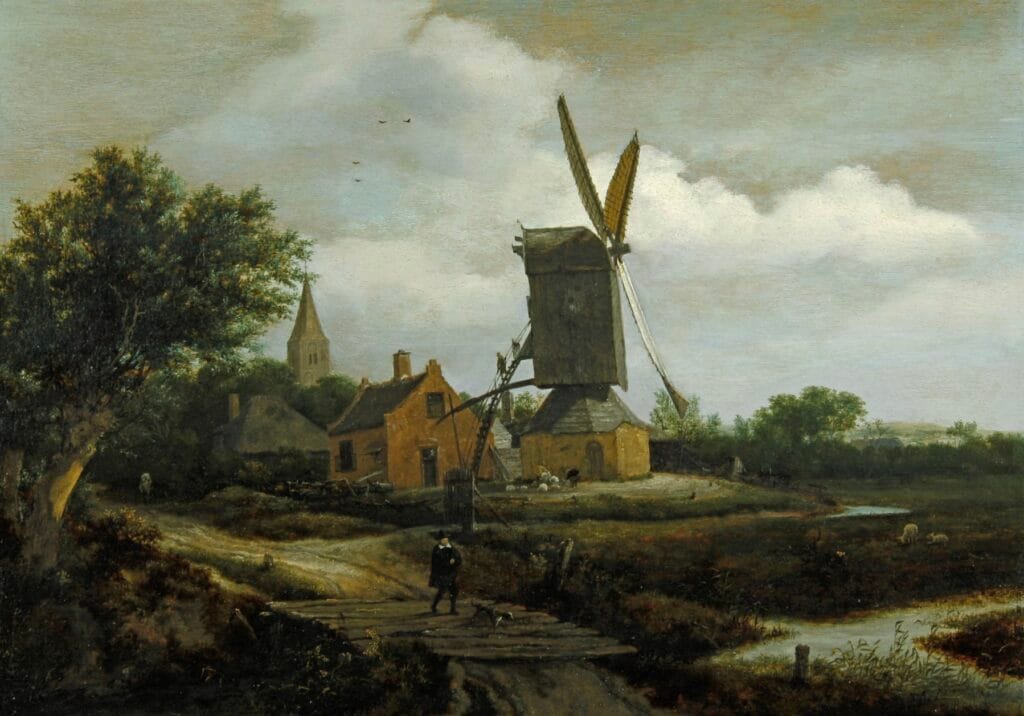
A Pieter Zwaenepoel is documented in Zuienkerke’s parish accounts as tenant and miller of the Dullemolen (also called the Oostmolen) from 1644 to 1652, when the accounts show his parish dues being paid by someone else, implying he had died or moved away. Researchers plausibly connect him to the Pieter baptised at Hooglede on 15 December 1606, which would put his birth close to that date. This Pieter is the probable father of Jan Swaenepoel (below), based on shared profession (miller, a trade often passed from father to son), matching residence in the Dudzele district, and the general rarity of the surname around Bruges at the time.
From 1605 onward (the point at which Hooglede’s baptismal registers survive), a dense web of Zwaenepoel/Swaenepoel families appears: a Jan Zwanepoel and his wife Pauwelyne Kersteloot had seven children baptised in Hooglede between 1606 and 1618, with a further child in 1624; a Fransoys Zwanepoel and his wife Isabelle (Elisabeth) Schalcke had five children baptised between 1608 and 1619; and a 1615–1616 census of Hooglede records both Jan Zwaenepoel and a Gillis Zwaenepoel (married to Anna De Wulf) working as millers. The family also held property in Hooglede and Leke, including shares in three mills: a windmill at Hooglede, the Lekemolen at Leke, and the Zoutenaaie mill in Veurne-ambacht.
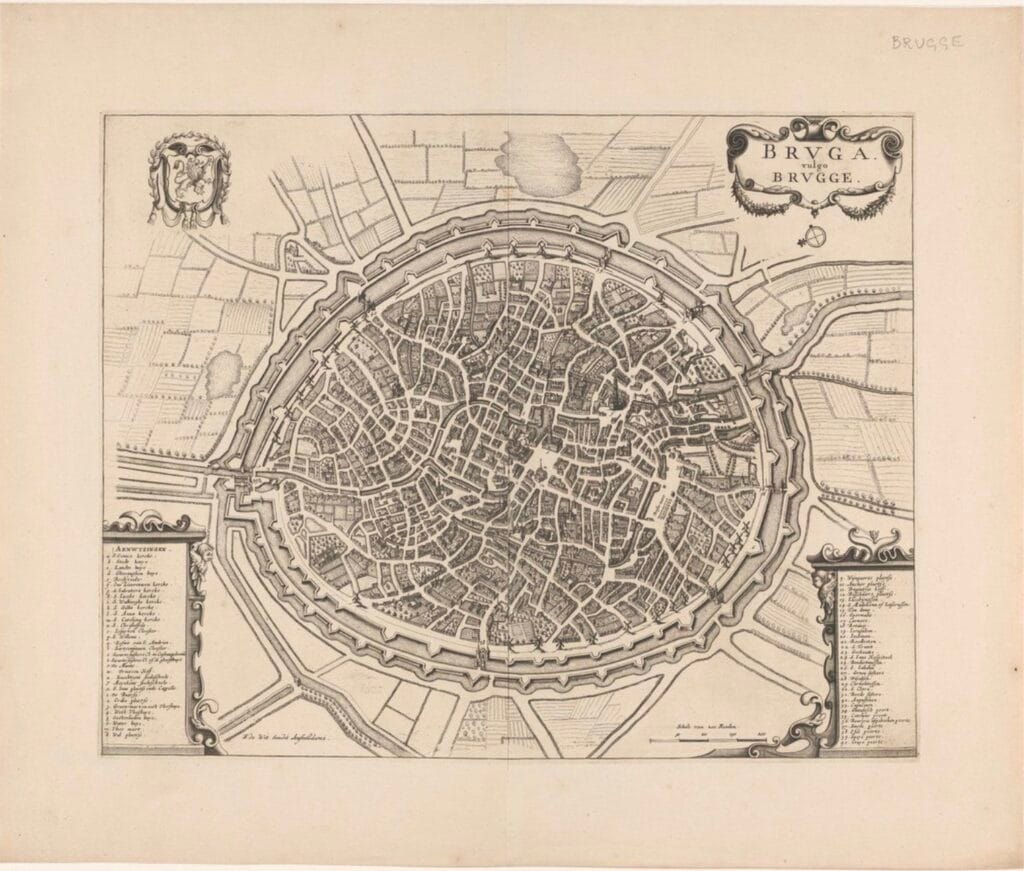
Brugga vulgo Brugge — a 17th-century map of Bruges
Jan Swaenepoel married Maria (Maeyken) Herebout on 3 May 1667 in Gistel; a witness to the marriage was a Pieter Swaenepoel, plausibly Jan’s father. The couple first settled in Bruges, where their daughter Helena was baptised in 1668, then moved to Klemskerke (twins Jan and Rosa, baptised 1670), and finally to Nieuwmunster by 1672, where Jan took over the tenancy of the village’s grain mill, a transition documented in a surviving 1672 court dispute over unpaid rent between Jan and the previous tenant, Pauwels Manghelaere.
Four more children were baptised in Nieuwmunster: Maria (1672), Guillielmus (1675), Judoca (1676), and Petrus (1678), the future emigrant to the Cape. Five of the couple’s children died young and are recorded in the Nieuwmunster burial register between 1675 and 1681. Maria Herebout herself died on 29 January 1685, buried the same day, suggesting a sudden or infectious illness. After her death, Jan Swaenepoel and his surviving children disappear from the Nieuwmunster records; his fate afterward is undocumented.
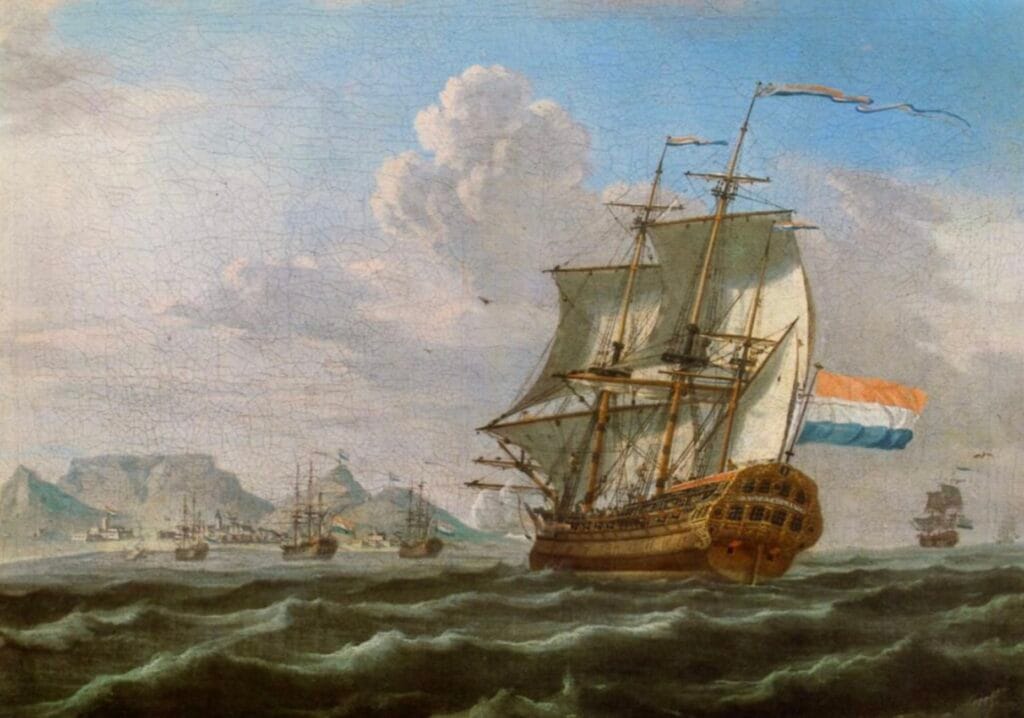
Baptised 26 January 1678 in Nieuwmunster, Petrus Swaenepoel is the individual from whom essentially all Swanepoels in South Africa (and, by extension, the wider world today) descend. He is documented arriving at the Cape of Good Hope around 1699, likely as a soldier for the VOC (Dutch East India Company), before becoming a free burgher farmer in the Stellenbosch and Drakenstein districts. He named his farm “Nieuw Munster” after his birthplace, a naming pattern seen in other Cape settler families of the period. He married Maria Sibilla Sachs (herself a German immigrant from Egeln, near Magdeburg) in Stellenbosch on 1 May 1712, and the couple had at least eight children between 1713 and 1743. Cape Archive documents show him farming grain and livestock, surviving conflict with the local Khoikhoi population, and expanding his landholding to 6,000 vines, 500 sheep, 120 cattle and three enslaved people by the late 1720s. He sold his farm in 1747 and is estimated to have died around 1757, aged approximately 79.
Brugga vulgo Brugge, a 17th-century map of Bruges
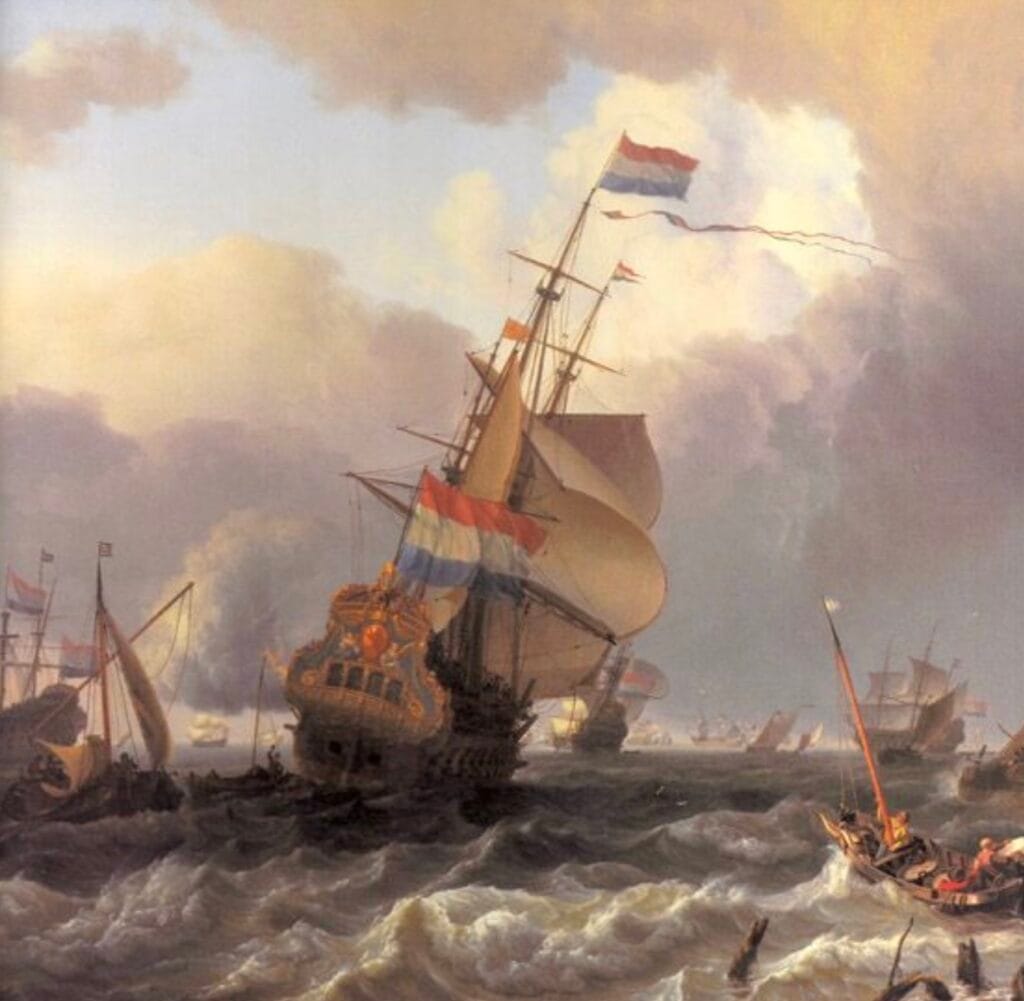
Dutch East India Company (VOC), 1602–1799, Petrus sailed as a VOC soldier
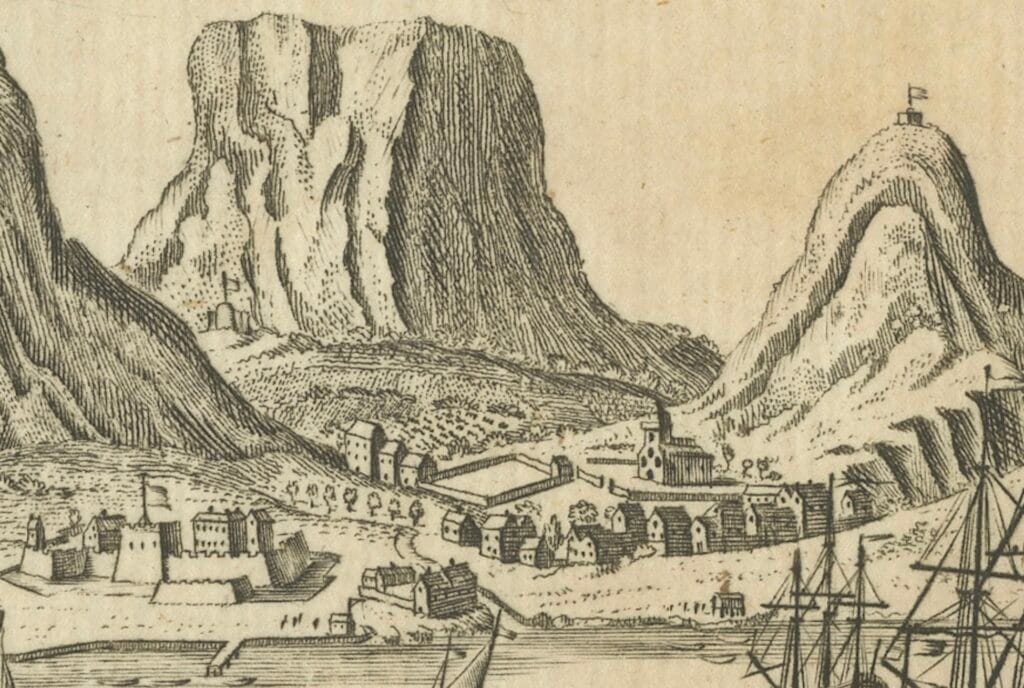
Geneanet’s surname database, which indexes genealogical records from 1600 to the present, recognizes the following as variants of the same name:
| Spelling variant | Geneanet-recorded individuals | Primary region today | Notes |
|---|---|---|---|
| Swanepoel | 8,726 | South Africa; also USA, Namibia, Australia, NZ | Afrikaans-standardized form; the spelling that spread through the Cape Colony from the early 1700s |
| Zwanepoel | 316 | Belgium (West Flanders) | A modernized Dutch/Flemish spelling still found today |
| Zwaenepoel / Swaenepoel | Recorded together in parish sources back to 1565 | Belgium (West Flanders) | The dominant 16th–18th century spelling in West Flemish parish and notarial records |
| Swaenpoel / Swaennepoel / Swaenpoul / Waenepoel | Minor variant counts | Belgium (scattered) | Phonetic/scribal variants recorded in the same parish-register tradition |
In Belgium, the Zwaenepoel/Swaenepoel surname remains concentrated in West Flanders, still clustered around the same towns documented in the 1600s, Diksmuide, Eernegem, Hooglede, Klemskerke and the surrounding area. A butcher shop, Slagerij Zwaenepoel, has operated continuously in that region since a Désiré Zwaenepoel (from Klemskerke) took it over in 1898, and is still trading today. A separate Zwaenepoel farming family has worked the same farm, “Lentescheure,” in Klemskerke since 1929, now in its third generation.
In South Africa, the Swanepoel spelling became the standard, and the Swanepoel surname spread widely following the Great Trek and subsequent settlement of the interior.
Geneanet alone indexes 8,726 individuals under the Swanepoel spelling, the overwhelming majority tied to South Africa, with smaller but notable populations in the United States, Namibia, Australia and New Zealand, consistent with documented 20th-century emigration patterns from South Africa.
Confidence is good but slightly more inferential for the Hooglede families of the 1605–1624 period and the Zuienkerke miller (c. 1600–1652) the individual records are real and cited, but the family connections between them are the researchers’ own reasoned (and clearly labelled) hypotheses rather than documents that state the relationships outright.
Confidence is lowest, a single dated fact with no surrounding context, for the 1565 Leke record, which is real but isolated.
This document does not extend before 1565 because no source I could access does so credibly. Getting further back, into the 1400s or earlier, would require a specialist Belgian genealogist with archive access, or a future research pass specifically targeting the Rijksarchief Brugge’s feudal and tithe-record holdings for Hooglede, Zuienkerke, Leke and Vladslo. The SJM Swanepoel family is currently leading this research and exploring:
From South Africa, the United States, Namibia, England, Australia, New Zealand and elsewhere
Fourteen Generations, Four Countries, One Family Heritage – 1565 to Today